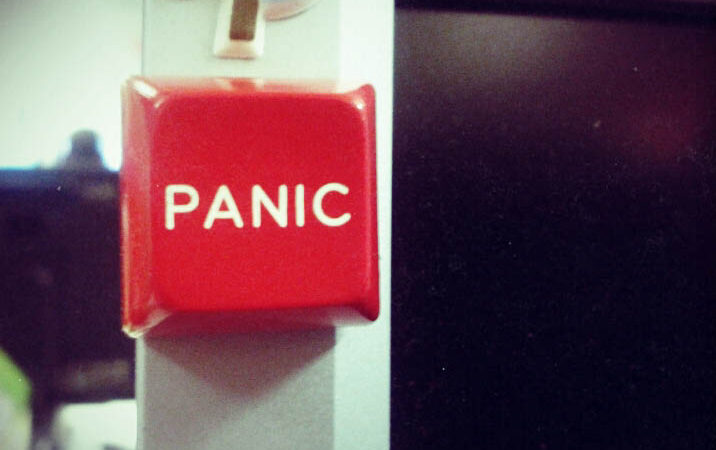
When is the UK going to panic?
So there has been no progress on Brexit at the European Council that started last night and is carrying on today, and there will be no extra summit about Brexit mid-November either until Michel Barnier reports “decisive progress” in talks. I’d hoped it would not be so, and that a deal of some sort was close, but May was sidetracked by the DUP and the backstop on one side, and her Brexit hardliners on the other side.
The best May could offer was an idea to extend Brexit transition “by a few months” – and that helps how, exactly? Oh and it pleased no one. Even Nick Boles is furious. Both Charles Michel and Xavier Bettel are saying that May has to move and the ball is in the UK’s court.
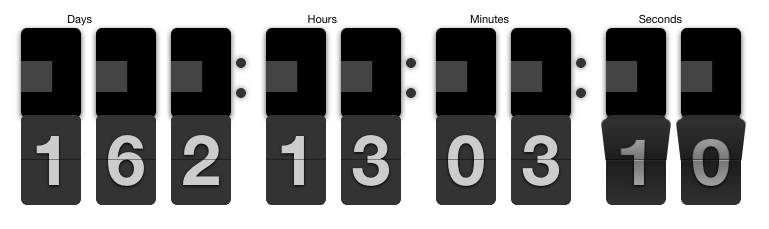
And Brexit is 162 days away. No ratified deal by then and the UK crashes out of the EU without a deal.
Which then leads me to a simple and alarming question:
When is the UK going to panic?
We are approaching the stage where there is no easy way out of this. Not enough time to negotiate something substantially different to what has been negotiated until now, not least because a Withdrawal Agreement has to be ratified and that takes months. Even a Withdrawal Agreement at the 13-14 December European Council leaves everyone with a ridiculously tight timetable.
Further, for those proposing a People’s Vote on the eventual deal, the time to organise such a vote before 29 March 2019 was already ridiculously tight, and without a Withdrawal Agreement now the timetable becomes basically impossible. Article 50 extension then a People’s Vote is the only way now.
The EU side is under less pressure – it knows it could survive a No Deal better than the UK can, and it likely better prepared for such a scenario anyway. So it can sit tight and wait for the UK side to cave in, or to panic. The only relevant question now is when that panic starts.
If no deal by 30 March talks will continue, alongside chaos in UK.
Most of the British public is ignorant of the real situation. The mainstream media including the BBC are making sure they stay that way.
No need to panic, Jon. Half the country will be disappointed; at the moment, it’s difficult to predict which side will feel the most let down. The PM is pursuing an outcome that is driven by unelected civil servants. No one in the country supports her Chequers deal, whatever their political leanings or the way they voted. It’s astonishing to think that democracy, which we hold so dear, has allowed a bunch of civil servants to rule the country, but there you have it.
If by some miracle Theresa May is ousted, there’s a slim chance that a FTA can be agreed to, but so much damage has been done over the nonsense about the backstop, the EU will lose face if they back down, so it’s unlikely.
That leaves: no-deal, WTO rules and maintaining the integrity of the UK. The remainers won’t like it, but the leavers will. Panicking won’t change anything. We just have to sit it out.
The leave camp built its case for the referendum around the case that ‘Project Fear’ was a doom and gloom fantasy. So were they deluded, intentionally misleading, arrogant, or just plain dumb? So far their strategy has been to silence the voices of remain, deny any fact based scenario planning, and contradict messages from business, as if they are still in referendum mode. The media, with exceptions, are their willing dupes. So my question is how can they panic? It would take one of the following: an almighty awakening, an admission of duplicity, or the humility(shame) of admitting they got it all wrong. It seems everyone outside of May, the extreme Brexiteers, and the DUP are out of the running as they have no power, especially since the cave-in over a meaningful vote, vis-a-vis Dominic Grieve. As much as there is no time for a People’s Vote, there is little time for anything else either. The sane thing to do is extend Article 50, but it seems as if May is determined to make Brexit happen in March, no matter what. What I neglected to ask, is how much of the country is actually out of its mind, including most of those in power in Westminster and a good chunk of the media? This is a collective insanity, nurtured by certain factions in the media and upheld by a deep nativist paranoia. The real question is when will the media start panicking—nothing will shift until you have some collective voices on the information side actually trying to find out the truth of the situation without pandering to those who keep shouting meaningless phrases such as ‘the will of the people’ and who have no facts, or real world nous and who will not be affected by what’s coming down the pike because they are in a position to game the financial situation in any and all scenarios.
“We are approaching the stage where there is no easy way out of this”
was there ever an easy way out of that mess?