The 3 crucial ingredients for the accession of Norway to the EU
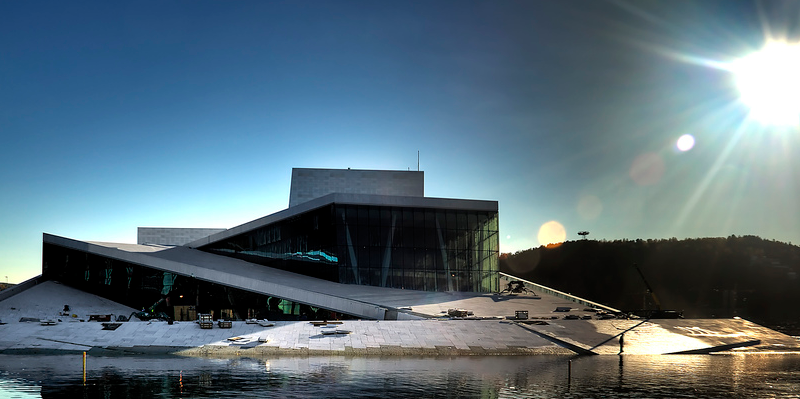
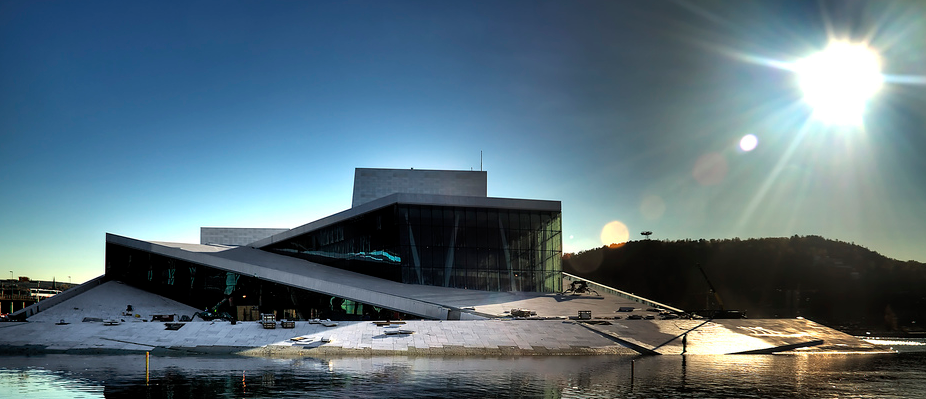
Oslo Opera House - CC / Flickr
Norway goes to the polls on 14th September and the election is being held at a time when Norway’s position in the world is in some question: what role for the oil rich country of 4.5 million people at the northern edge of Europe? The influence of the EU on the poll has today been highlighted through an internal note (obtained by Aftenposten) written by Norwegian Ambassador to the EU Oda Helen Sletnes, raising concerns about how Norway is losing influence in Brussels.
Let’s face it – Norway’s position is ludicrous. The EEA agreement, in force since the 1990s, suits no-one. Norway is part of the Single Market for everything except agriculture and fish, but has no say over any of the decisions. So directives and regulations get agreed in Brussels and sent to Oslo. It would be better for Norway to have a seat at the table in Brussels, and even the Swiss position is easier to defend than the status quo for Norway.
So what would have to happen for Norway to join the EU and get a seat at the table?
1. The right election result. There have regularly been majorities of members of the Stortinget that are in favour of EU accession, but governing coalitions are almost always divided on the issue. Senior coalition partner in the current administration, PM Jens Stoltenberg’s Arbeiterparti, are pro-EU, while junior coalition parties – the Left Party and Centre Party are eurosceptic. On the right Høyre (Conservatives) are EU-favourable, the Fremskrittspartiet (Progress Party) are not. Hence the only way to move on EU questions is for either pro-EU party to do well enough to form a minority administration without the need for a formal coalition. Høyre are not going to manage it (and personally I don’t want the Conservatives to do well anyway) so Brussels should be hoping for a Arbeiterparti minority administration.
2. Iceland joining the EU. Iceland has been hit by the financial crisis more than Norway has, and in June 2009 tabled a formal request for accession. Were Iceland to make major steps towards the EU it would make Norway’s position in EFTA look even more untenable.
3. Reform of the EU’s fisheries policies. Norway (and indeed Iceland) have been rightly critical of the EU’s fisheries policies in the past. If the European Commission gets its act together and proposes some decent environmental reforms of EU fisheries policies (how about a Commissioner for fisheries from a northern country this autumn?) then one of the major arguments against accession will be removed.
A 4th ingredient – decent leadership for the Yes campaign – has already been achieved, with the appointment of the sharp and savvy Paal Frisvold as chair of Europabevegelsen (European Movement) – more on this in Norwegian here.
@ Ralf Grahn
“Most enlightened politicians and civil servants understand the the advantages of EU membership – but the populations are unenthusiastic”
What a breath-takingly pompous statement. No doubt politicians and civil servants see the advantages, because all the advantages accrue to them. The people get nothing, hence their lack of enthusiasm.
@Andrew – no, still no. Iceland joining would not, in any way, force Norway to join, and I do not even come close to saying this. But Iceland joining is one of the elements that might open the door to Norwegian membership, especially as Iceland joining would necessitate changes to fisheries policy that would also be popular in Norway.
Put it the other way around: if Iceland voted No in a referendum on EU matters then Norwegian membership is out of the question for a further decade or so.
A *little* bit sensitive are we, Jon? While I honestly found it just amusing that the comparison was so understated, you blow up like I’m dancing on your mother’s grave.
I don’t agree with you at all. The context of the article does not change the fact that the comparison is very, very bad. While Iceland is burning, Norway is on holiday in Spain. They’re completely different situations.
The whole point was that Iceland joining the EU would somehow force Norway to join. *This* is where I disagree with you. The premise is completely wrong, Iceland is bankrupt – why would Norway feel the pinch to follow our literally, poor neighbor?
Norway basically pays the whole EFTA bill today. So it would not matter much to us what Iceland does financially. And politically only the anti-EU parties would care, eager to preserve their position. They rushed to Iceland after the collapse.
The people certainly would not care. That has already been polled here, so at least I have some facts backing me up. If the EU allows Norway to continue we will.
Sorry Andrew, I think you have the wrong end of the stick. I *agree* with you. And if you read that sentence in the context of the whole piece then it makes sense.
But I sense you’re arguing from a fixed starting point anyway, so small details like that probably don’t have an impact on you.
Understatement of the Year: “Iceland has been hit by the financial crisis more than Norway has”. Hahaha! Seriously, Norway has hardly felt any impact and to compare the two is comical 🙂
Iceland: disaster!
Norway: what financial crisis?
A decade ago Norwegian friends of mine at uni said that the only reason they’d have to vote yes in an EU membership referendum would be if the oil and fish ran out. They weren’t really into politics (but they could build one hell of a fast computer if you asked). But then most people that have the right to vote don’t seem fantastically interested in it either…
Unless the bizarre situation of market membership but no say over the rules starts to have clear practical implications for daily life, then I don’t really see that Bjorn and Anita would have much reason to have moved on from that view. But it’d be interesting to hear more about it, not least given the advocacy of the EEA as a step back from the EU that we keep hearing about from the margins of EU discussion in the UK…
Norway and Iceland could each make a really valuable contribution to the EU fisheries debates. They have experience (and expertise) on their sides. Though they might not be so used to the protectionist maneuverings of France and Spain (to name but to).
But people generally see the disadvantages more clearly than they see the advantages: so I wouldn’t try to guess the outcome of a referendum in either country.
@Erik – I’m well aware of the need for a referendum, but politicians only call referendums if there is a chance of a positive outcome for them. At the moment you cannot even have a debate about whether to have a referendum in Norway, and that’s because even that issue is too sensitive for the governing coalition. That’s why I’m hoping for a Stoltenberg minority administration.
John, here is the secret ingredient you forgot to mention. The “non-written binding understanding” between the parties and the voters that the question of Norway joining the EU or not, is to be left to the people to decide in a referendum. Read the full post here: http://esandquist.blogspot.com/2009/09/why-eu-membership-question-will-not-be.html
My reading of reports of Icelandic opinion polls and the debate in their parliament on applying is that the Icelandic people are content to see if they can get a good deal in negotiations with the EU, but the majority will reserve judgment on whether the country should join until they see the deal which is on the table. The fact that they’ve seen Norwegian voters reject negotiated terms twice with no major comeback gives them comfort in that position. So Icelandic entry is far from a done deal. Fisheries, as you say, will be the clincher for many Icelanders. Borg seems to be making the right sort of noises, but will the next Commission move the CFP review forward on the same lines? And will there be a majority in the Council for the major changes CFP so badly needs?
Perhaps some sort of tie-in between Icelandic and Norwegian accession could spur both on, but then again look what happened when the Danes were supposed to vote to join the euro and bring the Swedes in after them on the wave.
Nobody would draw up the EEA now if it didn’t exist (despite many British eurosceptics suggesting it as a route for the UK to continue membership of the Single Market whilst withdrawing from the rest of the Union). It was originally meant to be an alternative to EU membership for the EFTA countries, but the Swiss rejected membership in a referendum and then Norway, Sweden, Finland and Austria got fed up with it and decided it would be simpler just to join (leaving just Iceland and Liechtenstein until the Norwegians voted against joining the Union).
Perhaps formalising the EU as a variable geometry affair is the answer for a positive vote in these countries. We essentially have it now de facto, but on the basis of exceptions only. I can’t see further deepening now (with possibly 30+ member states) other than on the basis of enhanced cooperation between a core group, with others coming along at their own pace.
The Norwegians have rejected membership in two referendums and Iceland may well vote No when their accession agreement has been signed, so popular reticence is probably the main factor against.
Most enlightened politicians and civil servants understand the the advantages of EU membership – but the populations are unenthusiastic.
John,
The Norwegian MFA just published ambassador Sletnes’ report in its entirety “due to massive interest – and to avoid misunderstandings”, at http://tinyurl.com/nvweda
Norwegian only, however.